
Precision Climate Analysis: One Data Point at a Time
Water is climate. Climate is water.
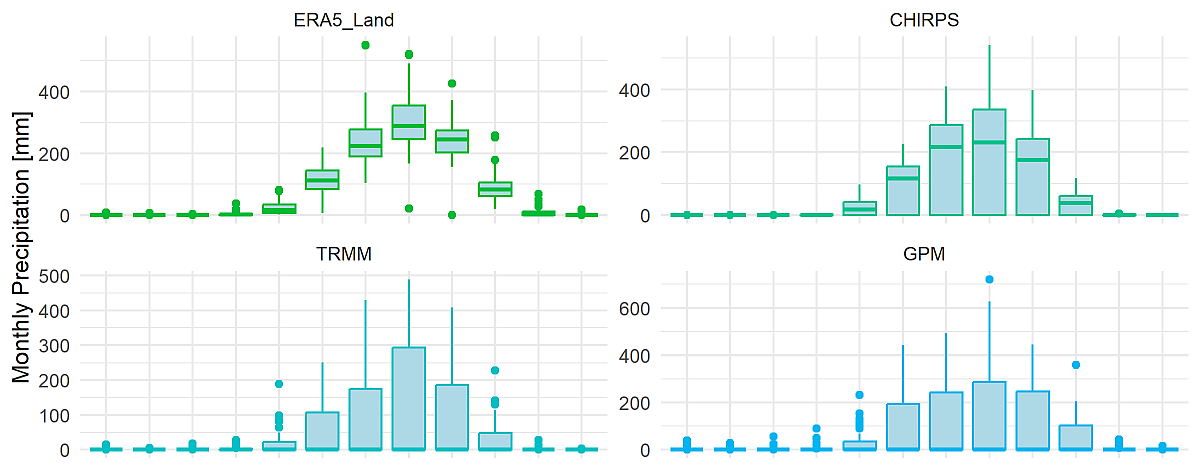
We leverage historical reviews using satellite models and reanalysis to assess climate change impacts on water resources, focusing on flooding risks and hydrologic cycle dynamics.
Understanding the complexities of climate change models, we employ a statistical and risk assessment approach to navigate various climate change scenarios. Our goal is to create infrastructure that is resilient to climate challenges, empowering our clients to adapt effectively and sustainably in a changing environment.
Climate Analysis
Data’s messy. Complex. Sometimes stubborn. We see that as an invitation to play. Our secret weapons? Lines of code, statistical wizardry, and an arsenal of AI tools that help us decode the stories hiding in your datasets.
Climate variables don’t scare us. Rainfall, temperature, wind, evaporation – each a piece of the puzzle waiting to be decoded.
Whether it’s Perplexity, Claude, ChatGPT or GitHub Co-pilot, we’ll use whatever it takes to turn raw information into meaningful insights.
And the best part? The more we automate, the more mental space we free up for the real magic: pure, unbridled thinking.
Less processing. More discovery.
Risk Assessment
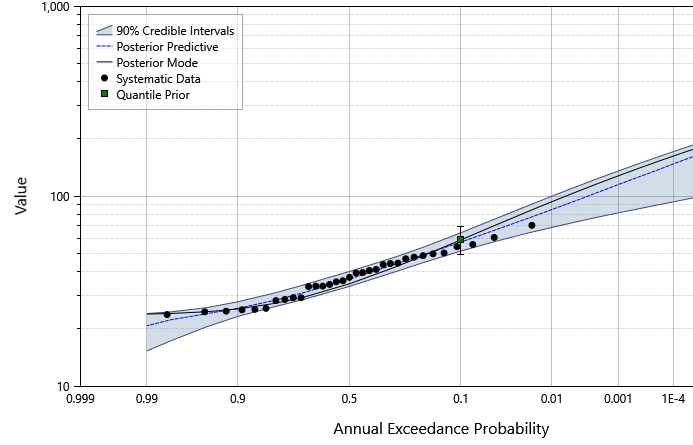
Climate risks are dynamic puzzles waiting to be cracked. Hydrologic analysis, hydraulic modelling, flood assessments – we transform these complex data streams into clear, strategic insights.
We’re not just mapping dangers – we’re turning uncertainty into opportunity by doing tailored analysis and tools to understand climate risks.
Climate Change Projections
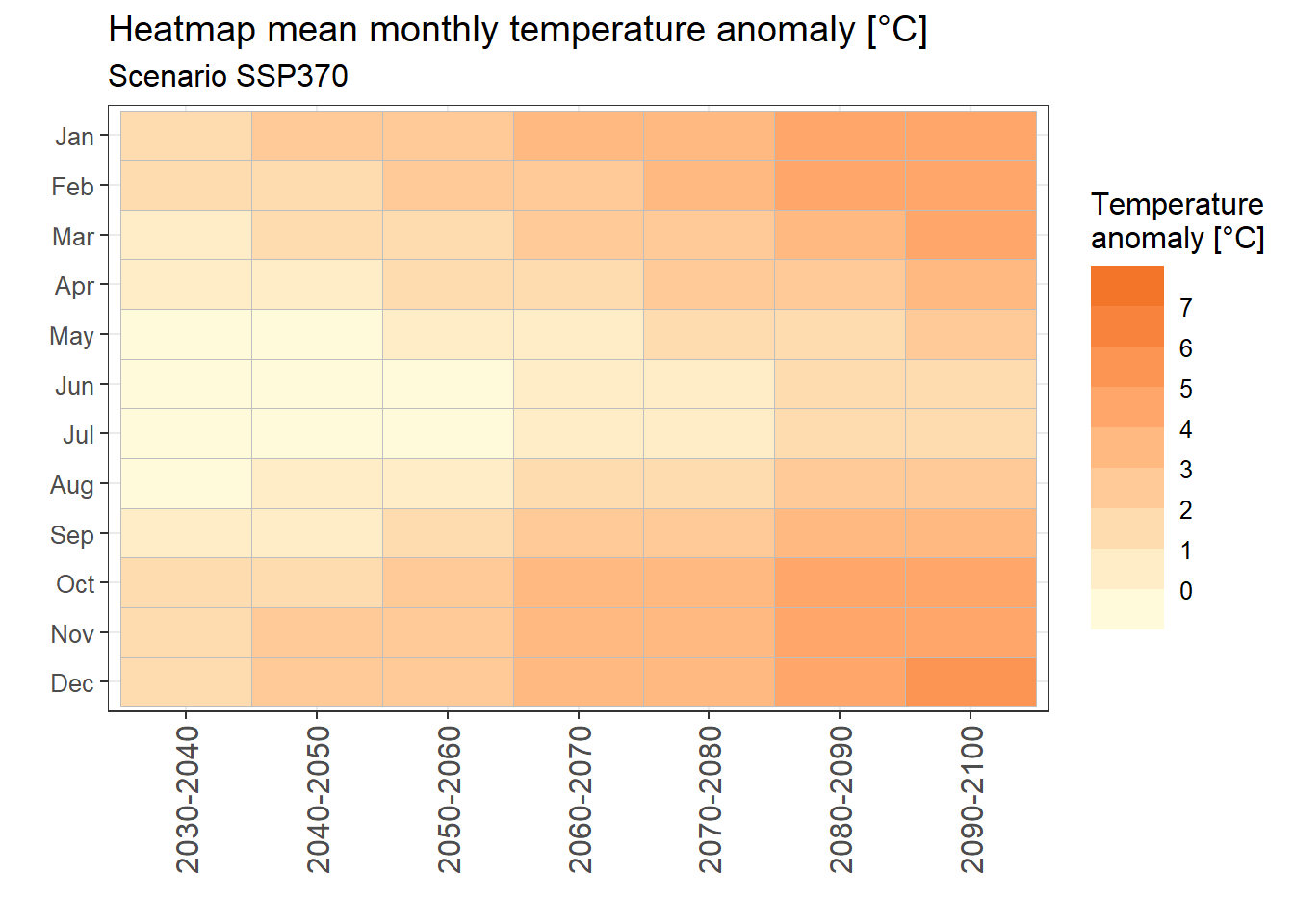
Navigating the intricate landscape of climate change requires more than just data, it demands nuanced understanding. e don’t pretend to have crystal-clear predictions, but what we do have is a rigorous framework for understanding potential futures. By cross-referencing dozens of Global Climate Models with regional datasets and applying bias-correction techniques, we transform raw climate data into meaningful water management strategies.
Our work centres on the four Shared Socioeconomic Pathways—not as absolute forecasts, but as carefully calibrated scenarios that reveal how water systems might evolve under different global conditions. Think of us as data cartographers, mapping the uncertain terrain of climate change with scientific precision and intellectual humility.
Climate Adaptation
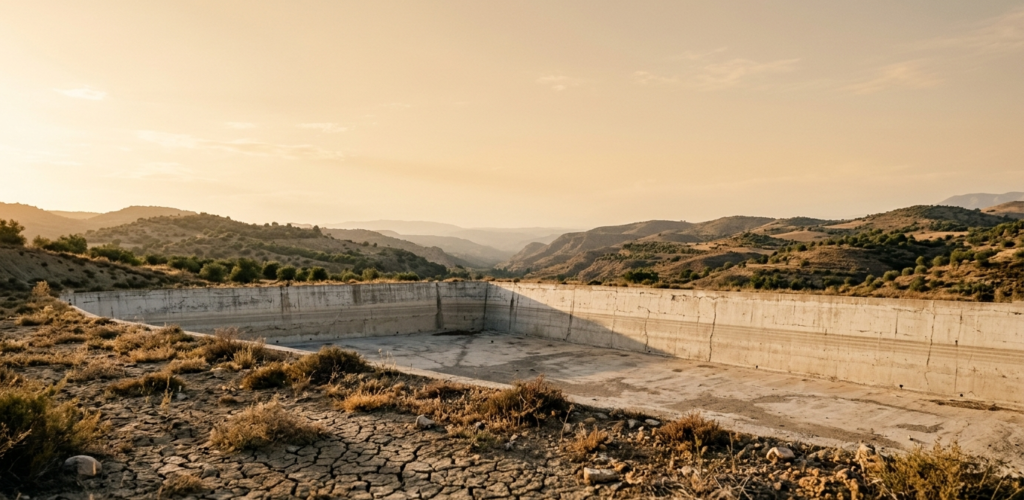
With climate change, rainfall is changing its patterns and flood risks are altering. Rare and extreme events are becoming more frequent and severe and need to be factored into ‘regular’ water management as the new normal.
Major aspect of climate adaptation in infrastructure is adjusting design criteria to climate change models. Outputs from these climate models need to be bias-corrected and downscaled to specific microclimate to be useful.
Our goal is to create infrastructure that is resilient to climate challenges, empowering clients to adapt effectively and sustainably in a changing environment.
The Value of Due Diligence
Government agencies and clients in the water sector will often commission substantial studies and technical reports, but rarely think to…Read more

Nature-based Solutions: An Engineer’s View
In the evolving world of flood management, the phrase “Nature-based Solutions” (NbS) is everywhere. From conference panels to policy documents,…Read more